
Introduction: What Does “Genuine Leather” Really Mean?
When you hear the phrase “genuine leather,” it sounds reassuring — like a mark of authenticity. But here’s the truth: genuine leather is actually the lowest grade of real leather. This blog breaks down what genuine leather is, how it’s made, and why full-grain leather may be a far better investment.
What Is Genuine Leather? A Misleading Label
Despite the confident ring to the word “genuine,” in the leather industry, it refers to leather made from the lower layers of the hide, known as split leather. To make it marketable, manufacturers coat it with polyurethane and emboss it with a fake grain texture.
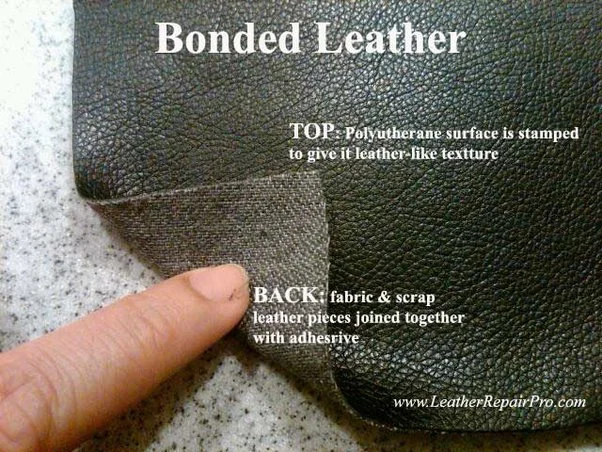
👉 In many cases, this could also include bonded leather—scraps and fibers glued together. And in extreme situations, even synthetic leather dust backed with leather fibers gets labeled “genuine.”
✅ Bottom Line: It is technically real leather, but it’s the least durable and least premium option.
The Leather Quality Hierarchy
Understanding the different types of leather helps put “genuine leather” in context:
| Type | Description | Durability | Cost |
|---|---|---|---|
| Full-Grain Leather | Topmost layer, uncorrected, retains natural marks | ⭐⭐⭐⭐⭐ | 💰💰💰💰💰 |
| Top-Grain Leather | Sanded for uniform look, thinner than full grain | ⭐⭐⭐⭐ | 💰💰💰💰 |
| Genuine Leather (Split) | Bottom layer, coated for appearance | ⭐⭐ | 💰💰 |
| Bonded Leather | Scraps & fibers glued and embossed | ⭐ | 💰 |
| Vegan Leather | Synthetic (PU or PVC) | ⭐⭐ (Varies) | 💰💰 |
Is Genuine Leather Real Leather?
Yes — but barely. It qualifies as leather by definition (made from animal hide), but due to how it’s processed and coated, it lacks:
- Natural grain
- Strength and durability
- Ability to age well (no patina)
So while it’s real, it’s often seen as mass-produced, low-cost, and short-lived.
Why You Should Choose Full-Grain Leather Instead
If you want leather that lasts decades, develops a rich patina, and tells a story over time, go for full-grain leather. While it may cost more upfront, it’s:
- Environmentally more sustainable
- More durable
- A better long-term investment
🔗 Explore our Full-Grain Leather Collection →
Where Does Vegan Leather Fit In?
Vegan leather is not leather at all. It’s made from synthetic materials like PU (polyurethane) or PVC. Although marketed as cruelty-free, it may not always be eco-friendly due to its plastic content.
That said, newer plant-based vegan leathers (like cactus, pineapple, or mushroom leather) are emerging as more sustainable options.
Genuine Leather vs Bonded Leather
Genuine leather is a step above bonded leather, but only slightly. Bonded leather is usually made from shredded leather waste and chemicals — it can look like leather but falls apart quickly.
📌 If a product says “Genuine Leather,” ask: “What grade of leather is this?” A good brand will always specify.
Pros and Cons of Genuine Leather
Pros:
- Affordable
- Easily available
- Technically real leather
Cons:
- Weak durability (1–2 years)
- Prone to cracking and peeling
- No patina
- Often made with fillers or adhesives
FAQs: Genuine Leather, Explained
1. Is genuine leather good quality?
Not really. It’s the lowest grade of real leather and doesn’t last as long as full-grain or top-grain leather.
2. Does genuine leather peel or crack?
Yes. It’s prone to peeling and cracking, especially if made from very thin split leather.
3. Is genuine leather better than PU leather?
Genuine leather is real animal hide, while PU leather is synthetic. In terms of durability, both are similar unless the genuine leather is thicker and well-made.
4. How can I identify genuine leather vs full-grain leather?
Full-grain has visible natural marks and a rich texture. Genuine leather often looks uniform and plastic-like due to heavy processing.
5. What is split leather?
Split leather is the fibrous part of the hide left after the top grain is separated. It’s often used to make genuine leather.
6. Why is full-grain leather expensive?
It uses the most durable, natural part of the hide and requires less artificial processing. It also ages beautifully over time.
Conclusion: Should You Buy Genuine Leather?
If you’re looking for a budget option, genuine leather can serve short-term purposes. But if quality, longevity, and luxury matter to you, full-grain leather is worth the investment.
Remember: in leather, as in life — you get what you pay for.
🧴 Leather Care Tip:
No matter what leather you choose, always:
- Avoid prolonged water exposure
- Store in breathable fabric bags
- Use leather conditioner every 6 months